If you've spent any time on beauty TikTok or scrolling through hair-care forums, you've almost certainly seen rosemary oil hailed as a miracle in a bottle. The before-and-after photos look dramatic, the testimonials are glowing, and the question on everyone's mind is the same: does rosemary oil stimulate hair growth, or is it just another trend riding a wave of pretty marketing?
We make a handmade botanical hair oil built around rosemary, so we have every reason to overpromise. We're not going to. Instead, this is an honest, plain-English look at what rosemary oil actually does for your hair and scalp, what the experience tends to look like over time, and how to use it so you give yourself the best shot at the fuller, healthier-looking hair you're after.
Quick answer: Rosemary oil is widely loved as part of a scalp-care routine because it can leave the scalp feeling refreshed and clean and hair looking shinier, thicker, and more conditioned. It is a cosmetic ingredient, not a medicine — it won't "cure" hair loss or guarantee regrowth. Used consistently as a massage oil, many people enjoy the look and feel of healthier, fuller-appearing hair over a few months.
What Does Rosemary Oil Do for Hair?
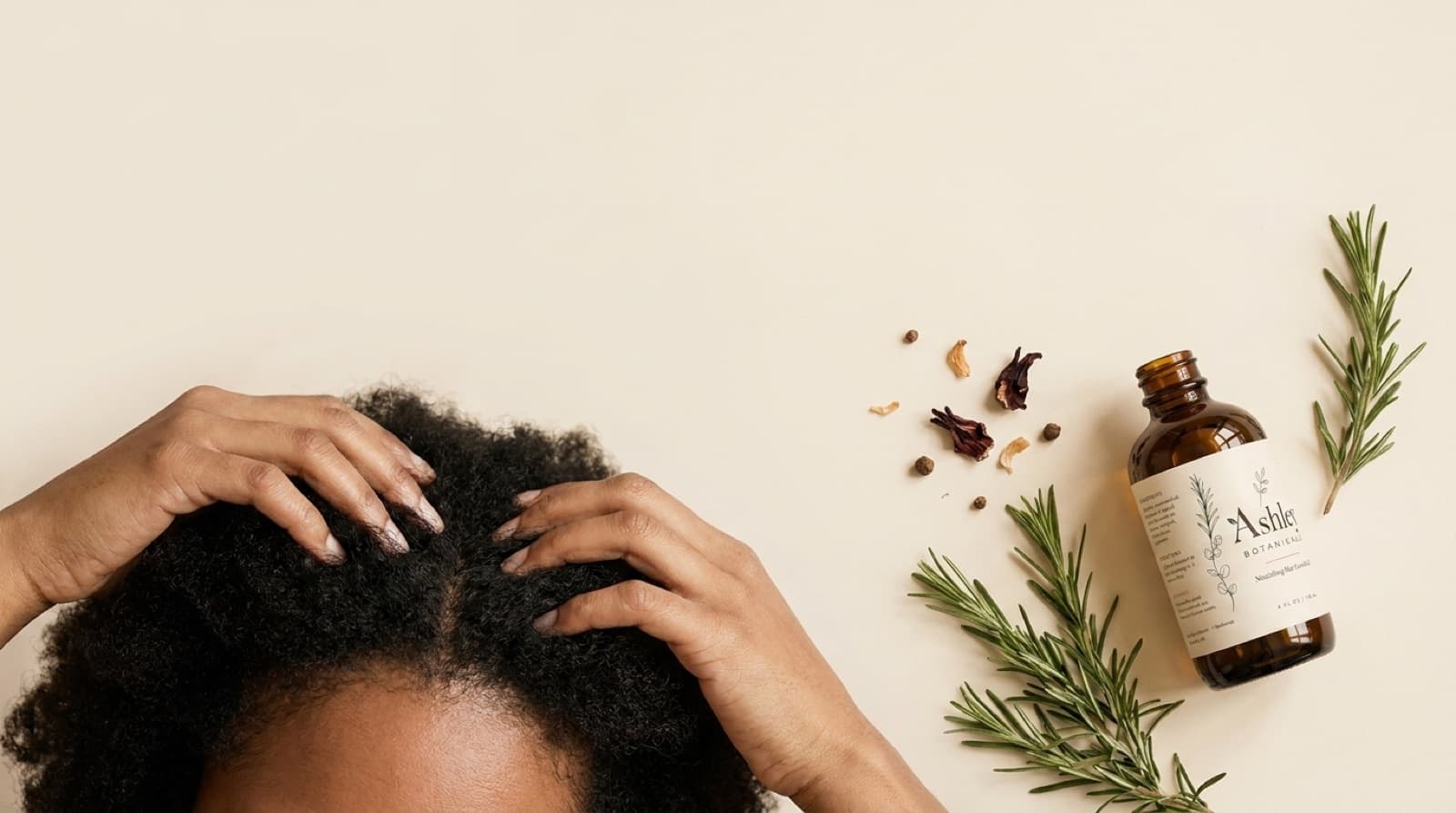
Rosemary (Rosmarinus officinalis) has been used in beauty rituals for centuries, long before it had a hashtag. As a hair-care ingredient, its appeal is rooted in a few simple, observable things. When massaged into the scalp, rosemary oil feels invigorating and helps you tend to your scalp the way you'd tend to the skin on your face.
Here's what people most commonly notice and enjoy when they add it to their routine:
- A clean, refreshed-feeling scalp, especially when massage is part of the ritual
- Hair that looks shinier and feels softer and more conditioned
- Strands that appear thicker and fuller, with reduced visible breakage from better-moisturized hair
- A pleasant, herbaceous, grounding scent that turns hair care into a moment of self-care
- Less of the dry, flaky feeling that can make a scalp uncomfortable
Notice the framing here: look, feel, appearance. That's the honest lane for any botanical oil. The massage itself is a meaningful part of the experience too — taking a few minutes to work oil into your scalp is relaxing, encourages a consistent routine, and helps distribute natural and added moisture along the hair.
So, Does Rosemary Oil Stimulate Hair Growth?
Let's answer the headline question directly and responsibly. Rosemary oil is a cosmetic ingredient. It is not a drug, and it cannot be honestly described as something that treats, cures, or guarantees hair growth. Anyone promising you regrowth from a bottle of oil alone is overselling.
What rosemary oil can do is support an environment for your hair to look and feel its best: a well-cared-for, comfortable scalp and conditioned, less-brittle strands that appear fuller. Healthy-looking hair starts with a healthy-feeling scalp, and a consistent oiling-and-massage ritual is one of the most pleasant ways to give your scalp regular attention.
Think of rosemary oil as scalp skincare — a ritual that helps your hair look and feel its best, not a prescription that promises results.
It's also worth remembering that the appearance of your hair is influenced by many things at once: genetics, age, hormones, stress, sleep, diet, how you style and heat your hair, and overall health. No single oil overrides all of that. The smartest way to think about rosemary oil is as one supportive, enjoyable piece of a bigger picture.
What Rosemary Oil Can and Can't Do
Setting expectations is the kindest thing we can do. Here's a clear-eyed breakdown so you know exactly what you're signing up for.
| What it can do | What it can't do |
|---|---|
| Leave your scalp feeling clean, refreshed, and cared for | Cure or treat any medical hair-loss condition |
| Help hair look shinier, softer, and more conditioned | Guarantee that hair will regrow |
| Make hair appear thicker and fuller | Replace medical advice from a dermatologist |
| Reduce the dry, flaky feeling of an uncomfortable scalp | Work overnight or deliver instant results |
| Turn a daily routine into a relaxing self-care ritual | Override genetics, hormones, or overall health |
If you're experiencing sudden, patchy, or significant hair loss, a botanical oil is not the answer — please talk to a dermatologist or doctor. Oil is for everyday scalp care and the look of healthier hair, not for diagnosing or solving a medical issue.
Rosemary Oil for Hair Growth Results: A Realistic Timeline
One of the biggest reasons people feel let down by any hair product is unrealistic timing. Hair grows slowly — on average about half an inch a month — so the appearance of fuller, healthier hair is a marathon, not a sprint. Consistency over weeks and months matters far more than how much oil you slather on in week one.
Here's a gentle, honest sense of what the experience often looks like. Everyone is different, and this is about the look and feel of your hair, not promised growth.
| Timeframe | What many people notice |
|---|---|
| Week 1-2 | Scalp feels cleaner and more comfortable; hair feels softer and smells lovely after each use |
| Week 3-6 | Hair looks shinier and more conditioned; styling feels a little easier; the routine becomes a habit |
| Month 2-3 | Strands may appear healthier and fuller; less visible breakage from better-moisturized hair |
| Month 4+ | With steady, consistent use, many people enjoy the overall look and feel of healthier, fuller-appearing hair |
If you try rosemary oil for two weeks and quit because nothing changed, that's like joining a gym and canceling after three workouts. Give a routine at least eight to twelve weeks of consistent use before you judge how it's working for you.
Is Rosemary Oil Good for Hair? Who Tends to Love It
Rosemary oil tends to be a favorite for people who enjoy a hands-on, ritual-based approach to hair care. You'll likely appreciate it if you:
- Want a simple, natural-feeling addition to your routine without a complicated regimen
- Like the idea of a scalp massage as a relaxing wind-down
- Have a scalp that feels dry, tight, or flaky and want a more comfortable feel
- Prefer botanical scents over heavily fragranced products
- Care about the look of shine, softness, and fullness in your hair
Most people tolerate rosemary oil well, but a small number can be sensitive to essential oils. Always do a patch test before regular use, and read up on rosemary oil side effects so you know what to watch for. If you're pregnant, nursing, or have a sensitive scalp, check with a healthcare professional first.
How to Use Rosemary Oil for the Best Look and Feel
Getting results you're happy with comes down to technique and consistency far more than the product alone. The two biggest levers are massage and routine.
- Section your hair and apply a small amount of oil directly to your scalp, not just the lengths.
- Massage with your fingertips (not nails) in slow, circular motions for three to five minutes — this is the relaxing, scalp-loving part.
- Optionally work a little through the mid-lengths and ends for added shine and conditioning.
- Leave it on for at least 30 minutes, or overnight with a towel or cap to protect your pillow.
- Wash and condition as usual. Repeat two to three times a week and stay consistent.
For a deeper walkthrough including overnight tips and how often to apply, see our full guide on how to use rosemary oil for hair growth. A little goes a long way — over-applying just leaves hair greasy without doing anything extra for it.
Rosemary Oil vs. Other Popular Oils
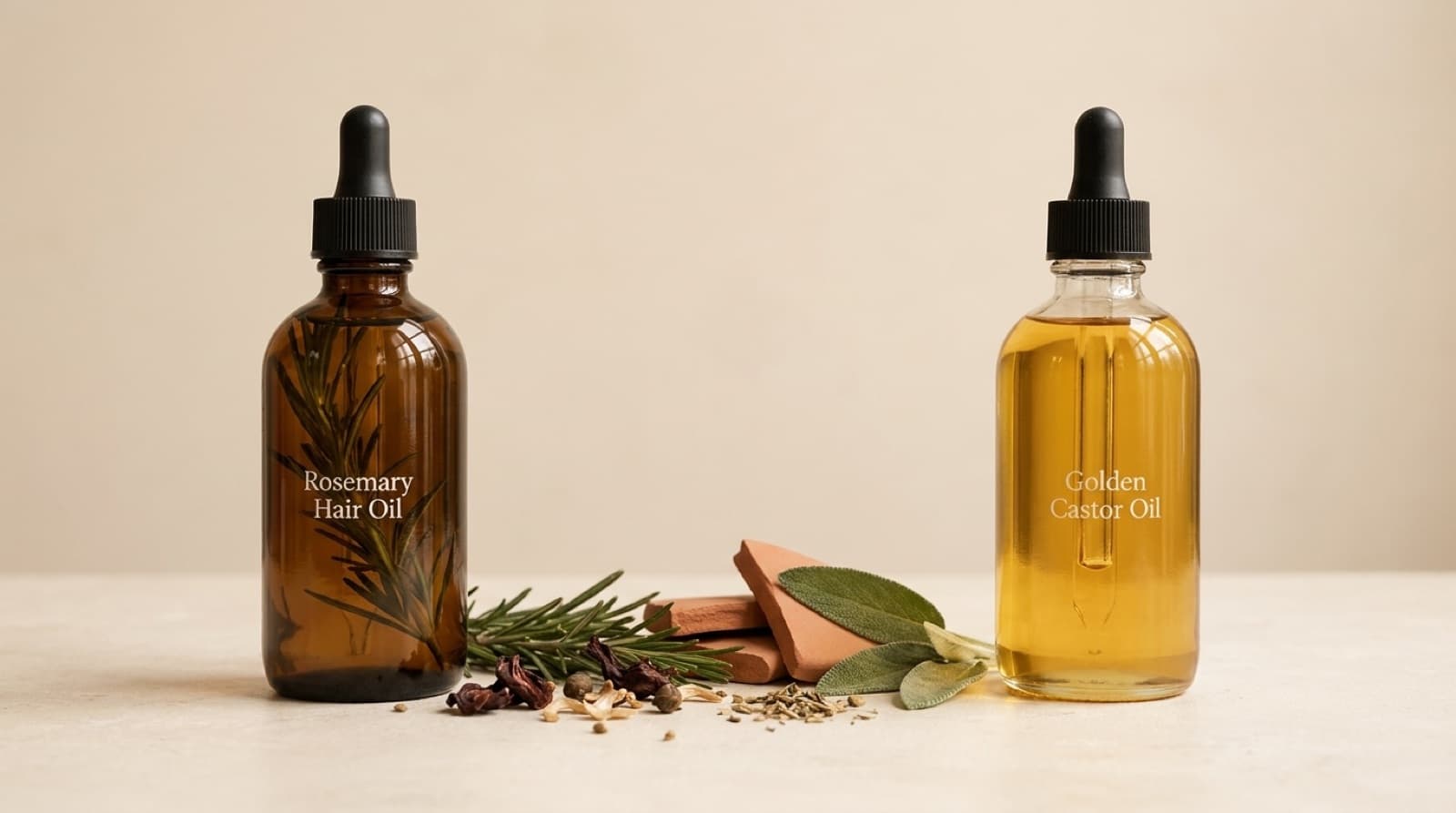
Rosemary rarely works alone in the best blends, and it's often compared with castor oil — another well-loved hair-care staple. They actually play different roles: rosemary is prized for its refreshing, scalp-focused feel and lightweight finish, while castor oil is a thicker, richer oil people reach for to coat and condition strands.
Neither is "better" in a vacuum; they're complementary, which is why thoughtful blends combine them. If you're weighing the two, our side-by-side breakdown of rosemary oil vs castor oil walks through textures, finishes, and how to layer them. Beyond those two, ingredients like black seed, fenugreek, argan, and hibiscus each add their own conditioning and scalp-comforting qualities to a well-rounded oil.
The Bottom Line on Rosemary Oil and Hair Growth
So, does rosemary oil stimulate hair growth? The honest answer is that rosemary oil is a beloved cosmetic ingredient that can help your scalp feel cared for and your hair look shinier, softer, and fuller — but it is not a medical treatment and won't guarantee regrowth. Used consistently as part of a relaxing massage ritual, with realistic expectations and a little patience, many people genuinely love the look and feel it gives their hair.
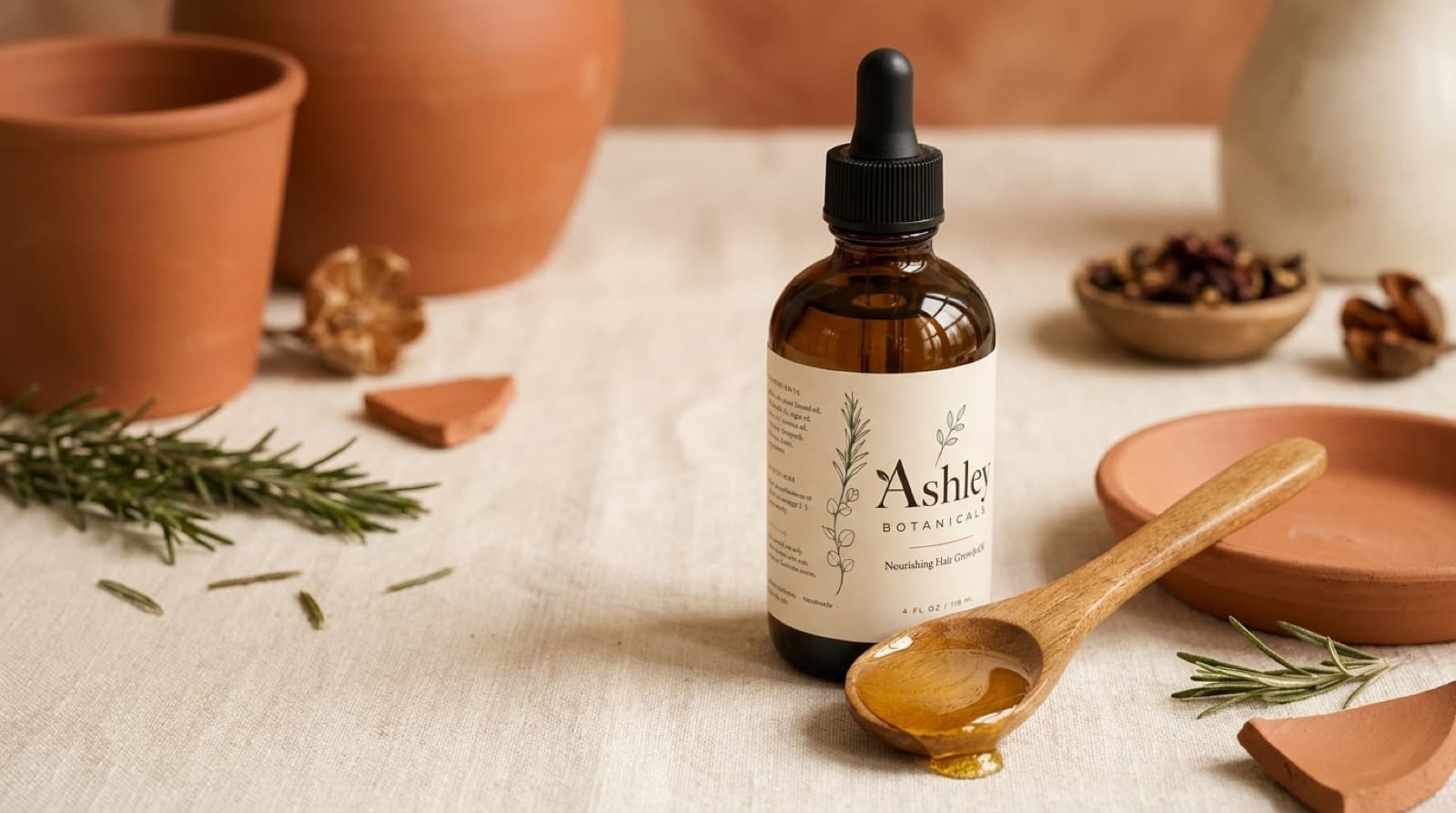
That philosophy is exactly why we built our handmade botanical hair oil at Ashley Botanicals around rosemary, blended with castor, black seed, fenugreek, argan, and hibiscus in small batches — a simple, honest ritual you can enjoy a few times a week. We'd rather you fall in love with the routine and the way your hair feels than chase promises no oil can keep. For external use only. Avoid contact with eyes. Stop use if irritation occurs.